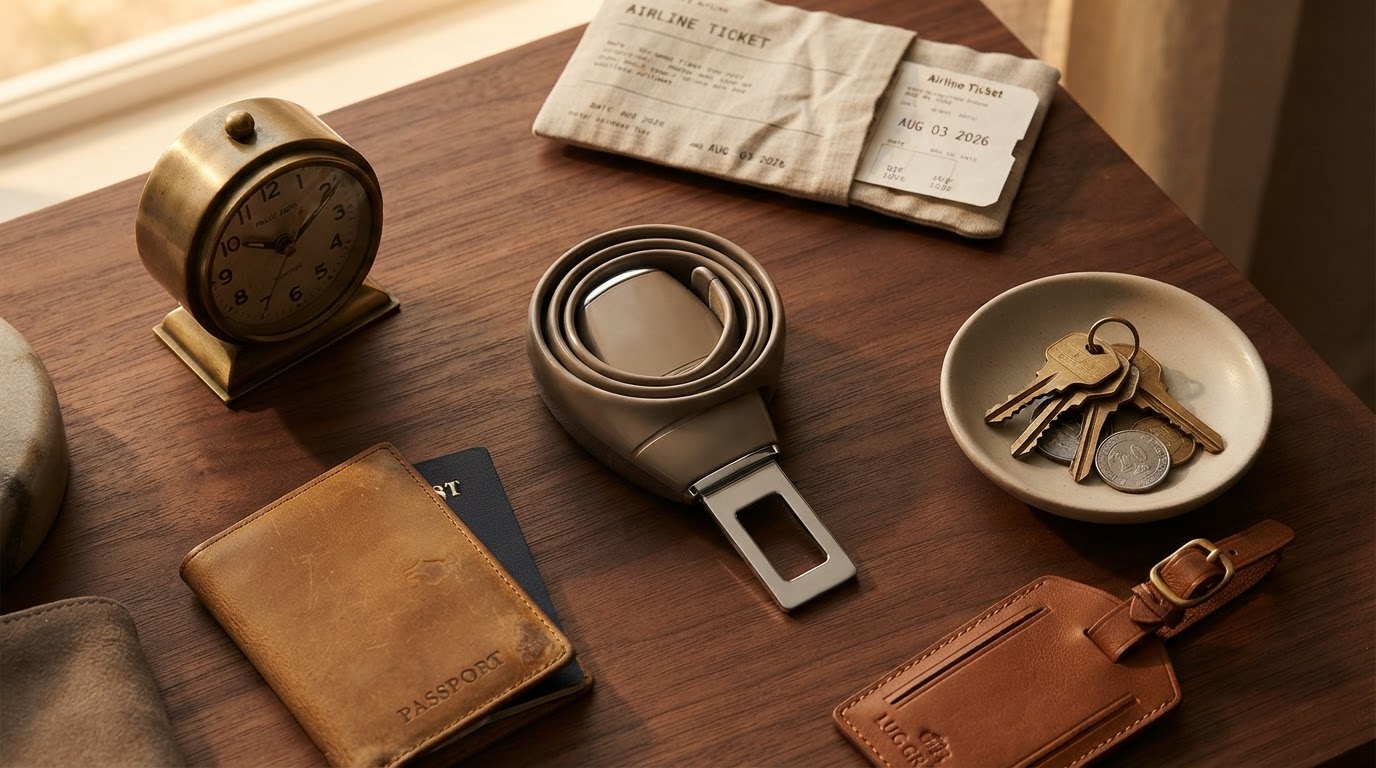
Can I use an Adjustable Vehicle Seat Belt Extension on planes?
 Maya ChenContributing Editor
August 3, 2026 — No, travelers cannot legally use a personal Adjustable Vehicle Seat Belt Extension on commercial flights because airline safety regulations mandate the use of carrier-provided, certified equipment only.
The conventional wisdom says that a seat belt extender is a universal tool, but the intersection of automotive safety and aviation law creates a hard boundary. Passengers often seek their own solutions to avoid the perceived stigma of asking cabin crew for assistance or to ensure they have a device that fits, yet bringing a personal device into a pressurized cabin introduces significant legal and physical risks.
Why are personal seat belt extenders prohibited on flights?
Personal extenders are prohibited because they lack the specific TSO (Technical Standard Order) certification required for aviation hardware. Here's the part nobody talks about: even if a device is marketed as "FAA approved," it is legally unusable if it is not provided by the airline for that specific aircraft. According to a report by Loganair, personal seat belt extenders are not permitted on any flight because only airline-issued equipment meets the rigorous safety and certification standards necessary for emergency scenarios. Aviation seats are dynamic systems designed to withstand 16g forces; introducing a non-certified link, such as a standard car extender, creates a potential point of failure that has not been crash-tested within the specific geometry of an airline seat frame.
Is there a legal difference between car and plane extenders?
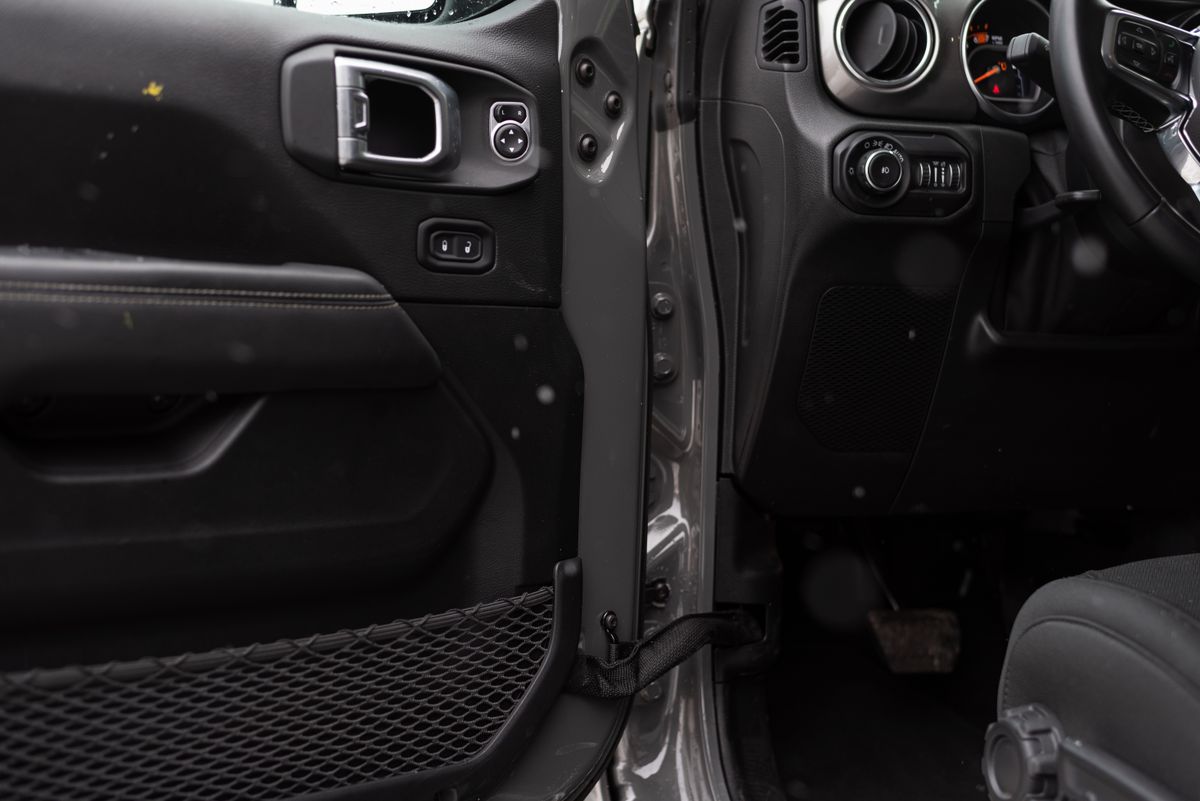
Photo by Vitali Adutskevich on Pexels
Yes, the legal distinction rests entirely on the regulatory body overseeing the certification—the Department of Transportation (DOT) for vehicles versus the Federal Aviation Administration (FAA) for aircraft. The Truth About FAA Approved Seat Belt Extenders notes that it is legally impossible to use a personal extender on a commercial flight regardless of what an online seller claims. Run the math: a vehicle extender is designed for a three-point harness system, whereas most commercial airline seats utilize a two-point lap belt. While an Adjustable Vehicle Seat Belt Extension is engineered for automotive safety standards, it cannot bypass the federal mandate that requires flight attendants to verify the integrity of all safety equipment before takeoff. I'll change my mind when the FAA establishes a universal cross-platform certification for personal restraint hardware, but until then, the car and plane ecosystems remain strictly separated.
Quick answers
Q: Can I bring my own extender if it is E4 safety certified? A: No, E4 certification applies to European automotive standards and does not grant authorization for use in a commercial aircraft cabin. Even if the buckle appears to fit, the 16g force requirements for aviation seats are not covered by automotive testing.
Q: What happens if a passenger is caught using their own extender? A: Flight crews are trained to identify non-standard equipment during safety checks, and using unauthorized hardware can be classified as a violation of FAA safety regulations. The passenger will be required to remove the device and use the airline's provided equipment or risk being removed from the flight.
Q: Do airlines charge for using their seat belt extenders? A: Most major carriers provide these devices free of charge upon request, though availability is limited to the number of units carried on board. Passengers should notify the airline in advance if they have concerns about seat belt length to ensure a certified unit is reserved for their seat.
Learn more about Adjustable Vehicle Seat Belt Extension at https://carseatbeltextension.com.
Sources
Photo by ANDREW PETERSON on Pexels
- Seatbelt Extension Policy | Loganair Safety & Accessibility
- Seatbelt Extender Rights on Flights: What to Know
- Airplane Seat Belt Extender – Frequently Asked Questions (UK)