
Zinc Alloy vs Plastic Seat Belt Extenders: Material Comparison
When shopping for seat belt modifications, consumers generally encounter two primary material options: lightweight plastic or heavy-duty metal alloys. Understanding how these materials compare in durability, appearance, and everyday performance is crucial for making a smart investment.
Plastic vs. Metal Extenders: Structural Differences

Plastic seat belt accessories are common, but they often present significant drawbacks regarding long-term reliability. Plastic housings can buckle under strain or degrade when exposed to heat and direct sunlight inside a parked car. In contrast, metal options constructed with a robust 3mm thickness offer vastly superior structural integrity and defense against impact or stress.
Durability and Aesthetics Under Daily Use
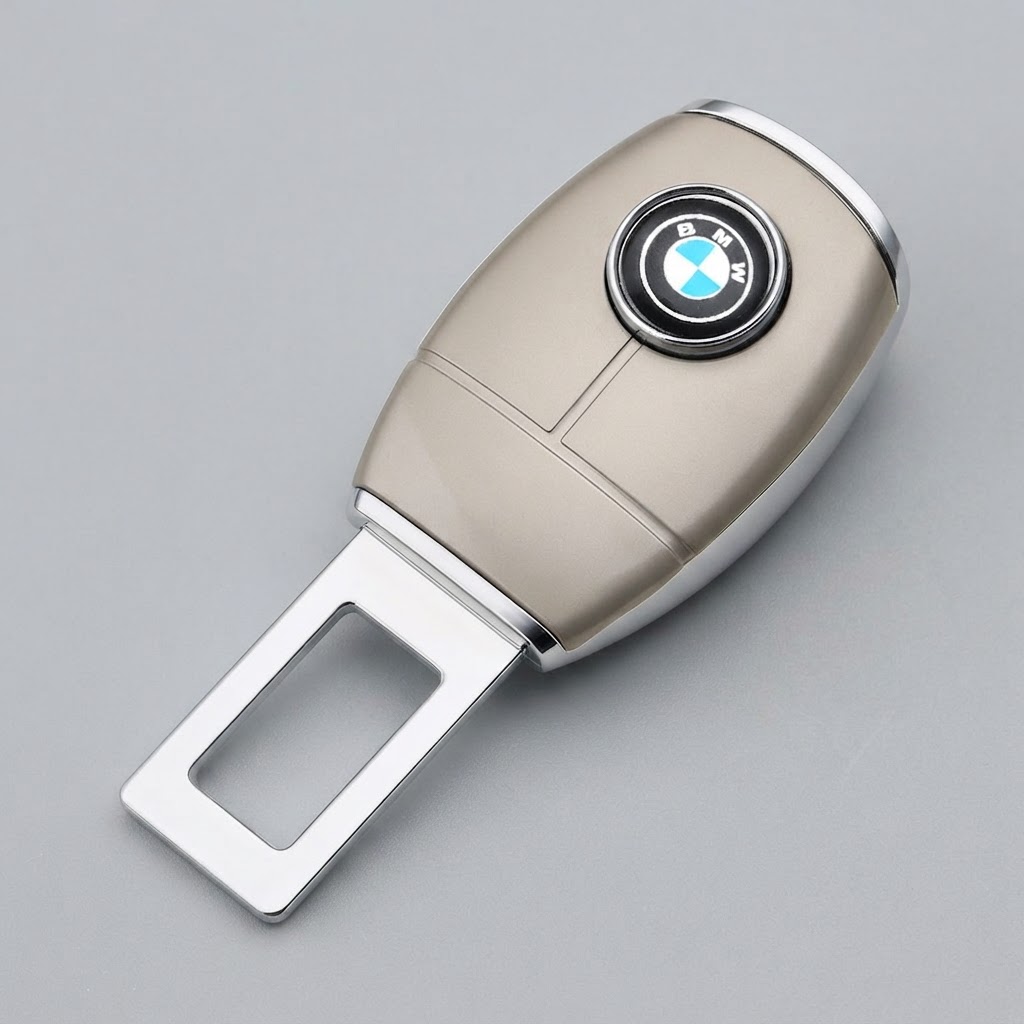
Metal extenders crafted from premium zinc alloy undergo a rigorous electroplating process. This process yields a sleek, scratch-resistant finish that complements high-end auto interiors far better than dull plastic. Premium options also showcase precision workmanship, featuring a textured three-dimensional car logo that adds a custom touch to special vehicles. While cheap plastic components tend to discolor and crack, electroplated zinc alloy preserves its refined shine and mechanical fit over time.
Making the Right Choice for Your Vehicle
Choosing zinc alloy ensures your accessory offers precision workmanship, universal fit performance, and high-end visual appeal. To evaluate full specification standards across various extender designs, refer to [the main guide] for in-depth insights into auto accessory safety.
Read the full guide: The Comprehensive Guide to Adjustable Vehicle Seat Belt Extensions