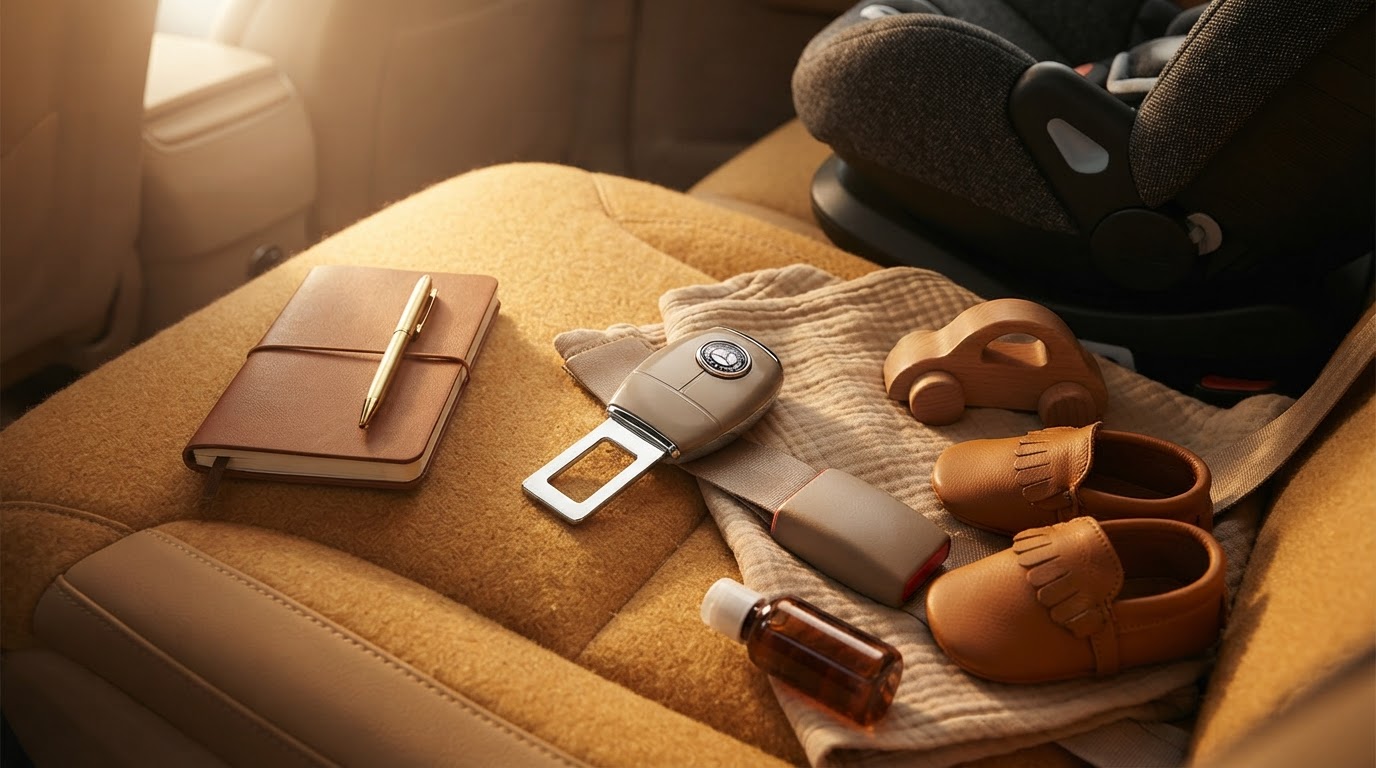
Adjustable Vehicle Seat Belt Extension for Car Seat Safety
 Maya ChenContributing Editor
October 15, 2026. This technical overview examines the functional requirements and safety limitations of an Adjustable Vehicle Seat Belt Extension. It is intended for consumers navigating the conflicting data surrounding automotive restraint modifications.
The Compatibility Gap in Modern Cabin Design
The conventional wisdom says that modern vehicle interiors are designed for universal compatibility, yet the rise in search volume for a seat belt extension for car seats suggests otherwise. Vehicle manufacturers prioritize sleek, recessed buckle designs that maximize aesthetic appeal but frequently bury the female receiver deep within the seat bight. This design choice creates a physical impossibility for many users, particularly those attempting to secure high-back boosters or large-frame child restraints. According to The Car Seat Lady, seat belt extenders are not safe to use with any car seat or booster, as they are specifically engineered for obese adults whose physical dimensions prevent the primary belt from latching. This creates a stark conflict between the mechanical need for reach and the structural requirements of crash dynamics. While a booster seat belt extension piece might resolve the immediate reach issue, it introduces a secondary point of failure into a system designed for a single connection. The industry consensus often ignores the reality of deep-set buckles in SUVs and trucks, where the belt geometry is fundamentally altered by the addition of third-party hardware.
Engineering Specs of the Adjustable Vehicle Seat Belt Extension
Here’s the part nobody talks about: the mechanical difference between a rigid extension and a flexible adjustable model determines the belt’s path over the occupant’s pelvis. An Adjustable Vehicle Seat Belt Extension typically utilizes an E4 safety-certified buckle and high-tensile polyester webbing to bridge the gap created by recessed hardware. When a user integrates a seat belt booster seat extension, they are essentially moving the pivot point of the restraint system. Research context from Google Search Console indicates that users frequently seek a "rigid seat belt extender 3 inch" to prevent the buckle from flopping behind the seat, yet the adjustable versions offer more versatility for varying seat angles. Data from Seat Belt Extender Pros shows that specific vehicle models, such as the Honda CR-V, have unique buckle tongue dimensions—often 21.5mm or 24.5mm—meaning a "universal" fit is a mathematical myth. The Adjustable Vehicle Seat Belt Extension must match the specific metal tongue geometry of the vehicle to maintain structural integrity during a high-G event. If the extension is too long, it causes "buckle crunch," where the buckle sits against the frame of the car seat rather than the occupant's hip, leading to potential failure under tension. Proper seat belt extender for car seat installation requires that the webbing remains flat and the buckle remains clear of the child seat’s plastic housing.
Decision Framework for Vehicle Restraint Modifications
Run the math: every additional inch of webbing in a restraint system increases the potential for forward excursion during a collision. Before integrating an Adjustable Vehicle Seat Belt Extension, consumers must evaluate the specific buckle depth and the width of the car seat base. A seat belt booster seat extension should only be considered when the primary belt cannot be fastened without significantly tilting the child restraint, which itself creates a tipping hazard. I’ll change my mind when vehicle manufacturers standardize buckle heights across all trim levels, but until then, the following checklist is the only way to mitigate risk:
- Verify the E4 or E-Mark safety certification on the extension's tag to ensure it meets international strength standards.
- Measure the metal tongue width of the factory seat belt with a caliper to ensure it matches the extender’s receiver exactly.
- Confirm the extension length does not move the buckle into the middle of the occupant's lap; it must remain at the side of the hip.
- Test for "buckle crunch" by ensuring the metal housing does not press against the rigid plastic of the car seat.
- Ensure the extension is not being used to bypass a vehicle's weight sensors or safety alarms.
Shop Adjustable Vehicle Seat Belt Extension here.
Sources
- Seat Belt Extender Pros
- The Car Seat LadySeat Belt Extenders
- Seat Belt Extender for Bigger Bodies – A Game Changer for Comfort