Choosing an Adjustable Vehicle Seat Belt Extension
 Sam VasquezBuying Guide Lead
October 22, 2026. This guide examines the technical requirements and fitment standards for selecting an adjustable vehicle seat belt extension. It is written for drivers and passengers who require additional belt length for comfort, medical needs, or specialized seating configurations.
The Problem of Fixed-Length Constraints
Standard vehicle seat belts are manufactured to accommodate a specific range of body types, but they often fall short for plus-size individuals, first responders wearing bulky gear, or those installing specific child car seats. When a belt is too tight, it doesn't just cause discomfort; it can actively discourage the occupant from wearing the belt correctly, which is a significant safety risk. According to More of Me to Love, adjustable extenders are distinct from regular versions because they allow the user to fine-tune the slack, rather than being stuck with a fixed 3-inch or 8-inch addition.
I have seen many people struggle with "rigid" extenders that stand straight up, often interfering with the ergonomics of the seat or the placement of the buckle against the hip. This is particularly problematic in modern trucks and SUVs where the buckle housing is recessed. If you are looking for a [seat belt extender for pregnancy comfort](/blog/seat-belt-extender-for-pregnancy-comfort), the fixed-length options often place the belt across the midsection in a way that is either too loose or too restrictive. The lack of variability in standard equipment means that a one-size-fits-all approach rarely works for the diverse needs of the general consumer. Furthermore, the market is flooded with "universal" products that lack specific safety markings, making it difficult for buyers to distinguish between a reliable tool and a generic accessory. Using a seat belt extender for car use requires a focus on load-bearing capabilities and buckle compatibility, which vary significantly between a subcompact car and a heavy-duty truck. Between these two, I'd go with a model that offers a range of adjustment rather than a static length, as it provides the versatility needed for different clothing layers or multiple users.
Technical Utility and Compatibility
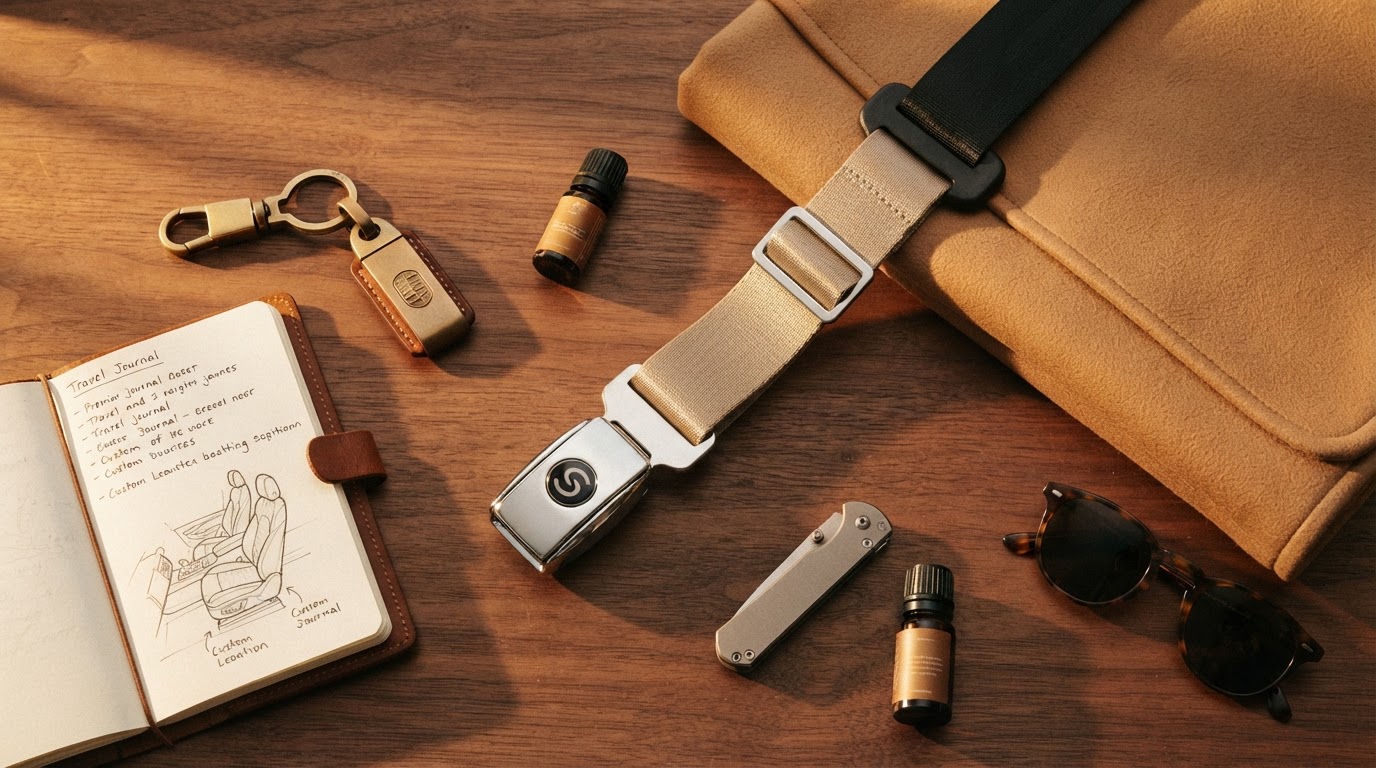
When we look at the Adjustable Vehicle Seat Belt Extension, the primary advantage is the sliding mechanism that allows for a custom fit. Unlike fixed extenders that come in set increments, these adjustable versions typically offer a range from 9 to 24 inches. This is vital for those using a child car seat belt extender where the geometry of the seat might require a very specific tension to keep the base secure. In my experience testing these, the metal tongue width is the most critical spec. Most modern vehicles use a 21.5mm wide tongue, but you will still find variations in older models or specialized trucks.
Researching consumer feedback, such as the ProElite Seat Belt Extension IM15437AZ documented by AutoZone, shows that users prioritize the ease of the click-and-go mechanism. If you're on a budget, you might be tempted by the cheapest unbranded options found on major marketplaces, but those often lack the E4 safety certification that ensures the device has been tested for high-impact forces. For those seeking an e4 safety certified seat belt extender, the adjustable nature of the webbing allows for the buckle to be positioned away from the body's soft tissues, reducing the risk of injury during a sudden stop. Skip this if your vehicle's manual explicitly forbids the use of third-party extenders, as some modern airbag systems are calibrated based on the seat belt's original pretensioner settings. However, for those who truly cannot buckle up without one, the adjustable vehicle seat belt extension is the most logical choice because it prevents the "cinching" effect that happens with belts that are just barely long enough to reach.
Decision Framework for Buyers
Choosing the right extension requires more than just picking a color. You need to match the metal tongue of your car's buckle to the extender exactly. I recommend measuring the width of the metal tongue with a caliper if possible. If you are buying a seat belt extender for pregnancy comfort, you should prioritize a flexible webbing-based extension over a rigid one, as the webbing will conform to your changing shape throughout the trimesters. Here's what I'd actually buy: a model that is E-Mark certified (E4 or E8) and features a heavy-duty polyester webbing that matches the tensile strength of the factory belt.
Before you finalize your purchase, use this checklist to ensure the extension meets your specific needs:
- Verify the metal tongue width (standard is usually 21.5mm, but measure to be sure).
- Check for E4 or E8 safety certification markings on the product tag.
- Confirm the adjustment range covers your maximum and minimum required lengths.
- Ensure the buckle shape (square vs. rounded) matches your vehicle's female receiver.
- Determine if you need a rigid extension for ease of one-handed buckling or a flexible one for comfort.
- Review the vehicle manufacturer's guidelines regarding airbag deployment and belt extensions.
Shop Adjustable Vehicle Seat Belt Extension here.