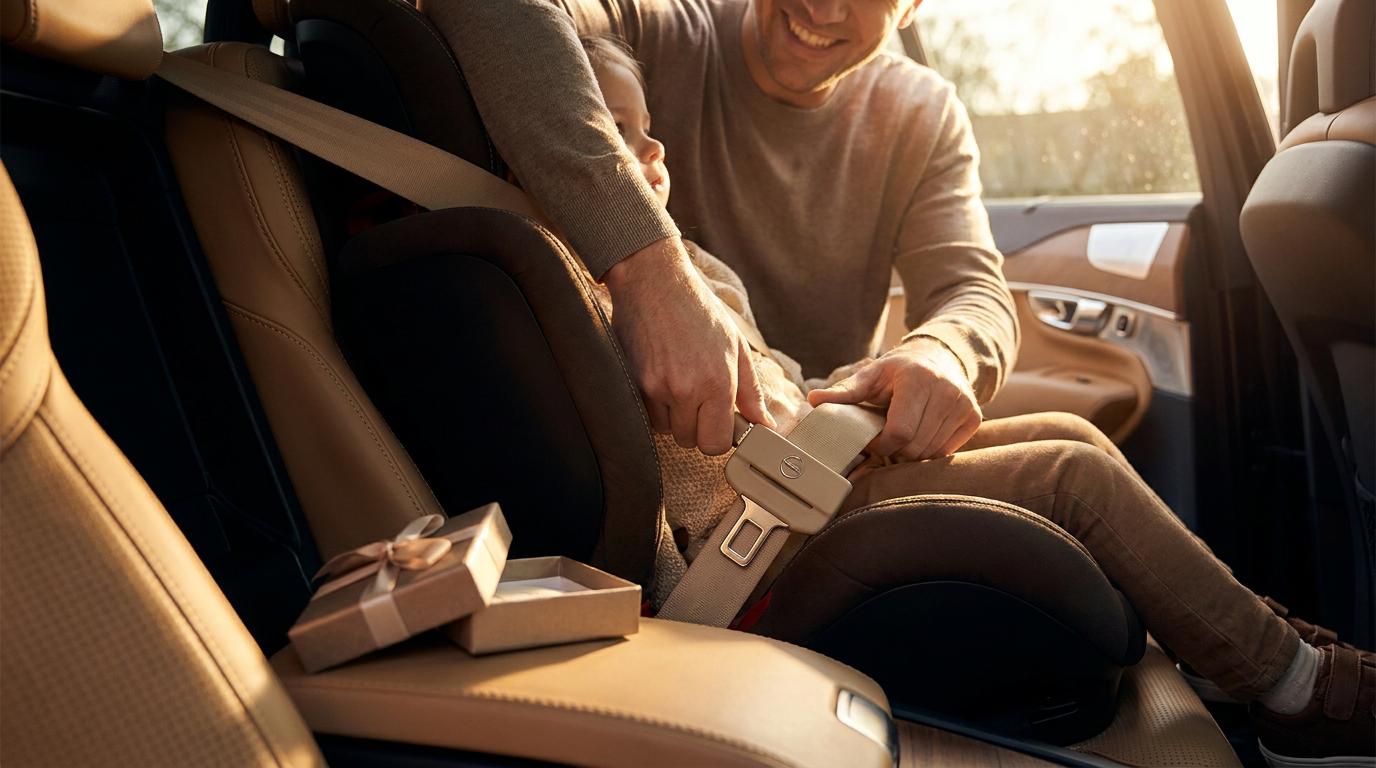
Can I use an FAA approved seatbelt extension in my car?
 Maya ChenContributing Editor
The consensus that 'airline-provided is always safe' ignores the real danger: the complete lack of a universal standard for the quality and maintenance of extenders between flights. While the immediate answer to whether an 'FAA approved' extender works in your car is a simple no—due to incompatible hardware—the more pressing question is why we accept this inconsistent approach to safety at 30,000 feet. The term 'FAA approved' itself is misleading, as the FAA does not approve personal extenders for use on aircraft.
The Myth of Interchangeable Airline Extenders
The conventional wisdom says the flight crew will provide a safe extender. Here's the part nobody talks about: airlines often operate mixed fleets, resulting in multiple, non-interchangeable extender types. As noted by suppliers, these can include Type A and Type B buckles, which are not compatible with each other. The extender a flight attendant hands you might be incorrect for your specific seat, creating a fitment issue that compromises its function in an emergency. Unlike in a car, where you can determine the exact hardware needed, air travel introduces a variable you cannot control.
An Unverifiable Safety History

A permanently installed seat belt in an aircraft is a serialized part with a documented maintenance history. The portable extender you're handed is not. It lacks a public, verifiable maintenance log, making its age, number of uses, and service history a complete unknown. This is a critical gap in a safety system. While automotive equipment must meet stringent and verifiable seat belt extender safety standards, the airline equivalent exists in a regulatory gray area, relying on trust rather than transparent data.
The Limits of a Subjective Visual Check
Flight attendant training on extender inspection is not standardized across the industry. The brief visual check for fraying or obvious damage is often the only safety screen the device receives between flights. This subjective assessment is a poor substitute for a regulated, documented inspection process. When considering the material integrity of safety webbing, a quick glance cannot detect micro-tears or stress fatigue from thousands of cycles. For your own vehicle, you can make an informed choice between rigid vs flexible seatbelt extension designs based on documented material properties, not a cursory glance.
I'll change my mind when airlines adopt a universal extender connector and attach a scannable, public-facing service log to each device. Until then, the 'airline-provided' solution remains a system of unverified trust. For your own vehicle, however, you don't have to guess. You can verify the exact fit and safety compliance, which is one of the key benefits of adjustable seat belt extensions designed specifically for your car's system.
Can I use an FAA approved seatbelt extension in my car?

Photo by Erik Mclean on Pexels
No. Aviation-style extenders use a lift-lever buckle and flat metal tongue engineered for aircraft seats. This hardware is not compatible with the push-button buckle receivers found in cars and does not meet the Federal Motor Vehicle Safety Standards (FMVSS) required for road vehicles.
Why do airlines use different, incompatible extender types?
Airlines often operate diverse fleets with aircraft from various manufacturers like Boeing and Airbus, who may use different seat and buckle suppliers. This results in a mix of hardware, such as Type A and Type B extenders, that are not interchangeable. There is no single universal standard for airplane seat belt buckles, creating a logistical challenge for both airlines and passengers.