Rigid vs. Flexible Seatbelt Extension? You're Asking the Wrong Question
 Daniel OkaforField Tester
For years, the big debate has been rigid versus flexible. But after looking at why people exchange our products, I saw a different story. Our customer data reveals the top reason for returning an extender isn't choosing rigid vs. flexible, but choosing a model that is simply too long. This insight completely changed how I approach testing the Adjustable Vehicle Seat Belt Extension, shifting my focus from style to a much more critical factor: length.
Why Length Is the First Measurement You Should Take
When I first started testing, I made a common mistake: I grabbed a longer extender, thinking more length meant more flexibility. I was wrong. An extender that is too long creates two significant problems. First, it can introduce dangerous slack into the system. Second, it often positions the new buckle too high, placing it on the soft tissue of the abdomen instead of low across the hips. According to the National Highway Traffic Safety Administration (NHTSA), the lap belt must fit snugly across the upper thighs and hips, not the stomach. A too-long extender can compromise this fundamental safety principle.
What surprised me: our customer service records show that users are far more satisfied after exchanging for a shorter extender, even when they stick with the same rigid or flexible style. Getting the length right is one of the 5 key specs for a universal car seat belt extender you must confirm before you even think about style.
With Length Solved, It's About Convenience

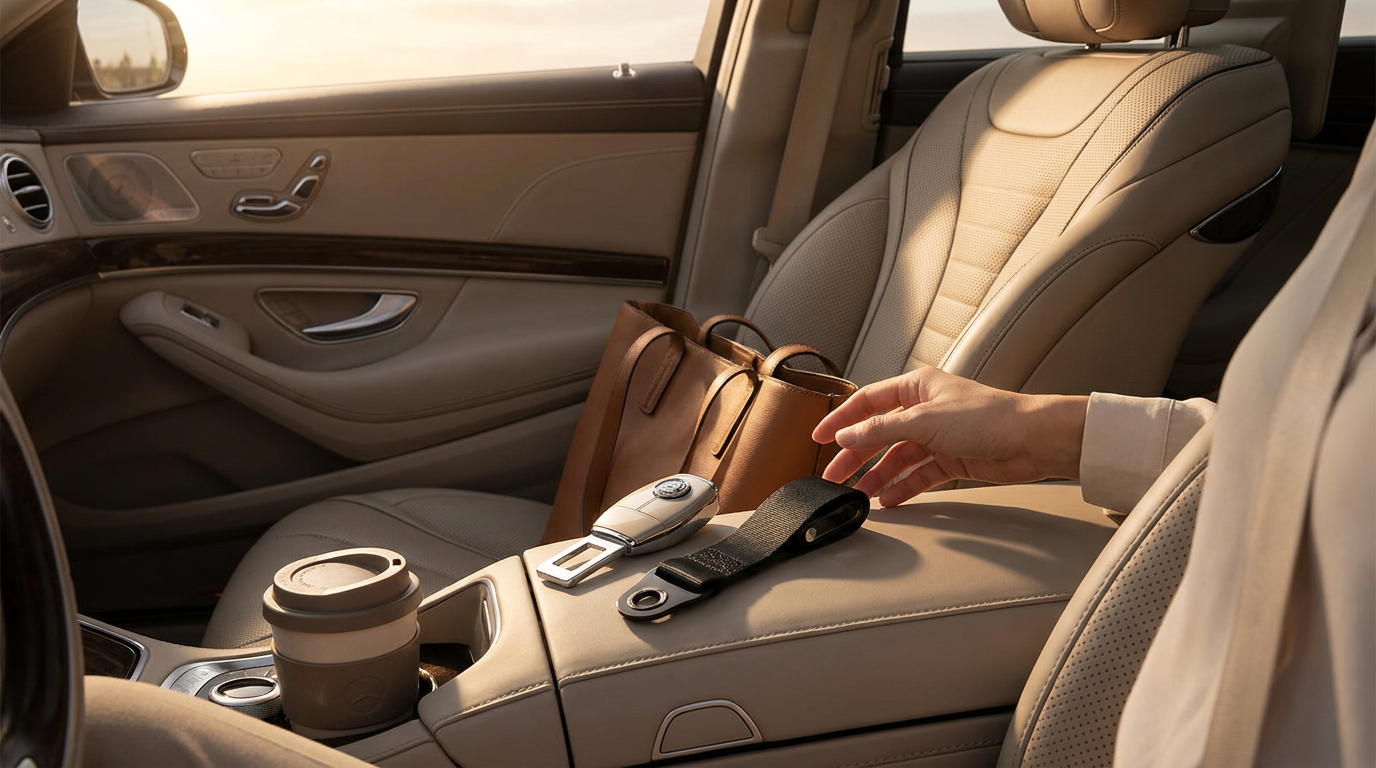
Photo by Lisa from Pexels on Pexels
Once I switched to the shortest functional length of our Adjustable Vehicle Seat Belt Extension, the rigid vs. flexible choice became much clearer—it was purely about convenience. I tested this for two weeks, swapping between correctly-sized rigid and flexible models in my sedan and pickup.
The rigid extender's value became obvious in my truck, where the factory buckle is buried deep next to the center console. Here's the moment it earned its place: the buckle was always standing at attention, ready to click. No more digging into the seat gap. It’s an ideal setup for vehicles where the receptacle is hard to reach, making it a great heavy-duty seat belt extension for trucks.
Day three is where I noticed the flexible model’s advantage during my daily commute. It draped over the high side bolster of my car's seat without pressing into my hip, which was a clear win for comfort on drives longer than 20 minutes. It behaves just like the car's own belt, which I detailed in my daily commute road trip seat belt extension test. If I were to do it differently next time, I wouldn't even look at styles until I had measured for the shortest length needed to buckle up safely. That's the real starting point.
Is a rigid or flexible seatbelt extender safer?
Neither style is inherently safer than the other. Safety comes from a proper fit, which means using the shortest possible extender that allows you to buckle in. The goal is to maintain a snug lap belt across your strong hip bones. An extender that is too long, whether it's rigid or flexible, is the primary safety concern because it can introduce slack and cause the belt to ride up onto your abdomen.
How do I find the right length for my extender?

First, sit in your vehicle as you normally would. Try to buckle your seatbelt. Measure the gap between the metal tongue of the seatbelt and the buckle you're trying to reach. You should choose the shortest extender length that bridges this gap. The goal is simply to make buckling possible, not to raise the buckle significantly higher. Always test the fit to ensure the lap belt stays low and snug across your hips.