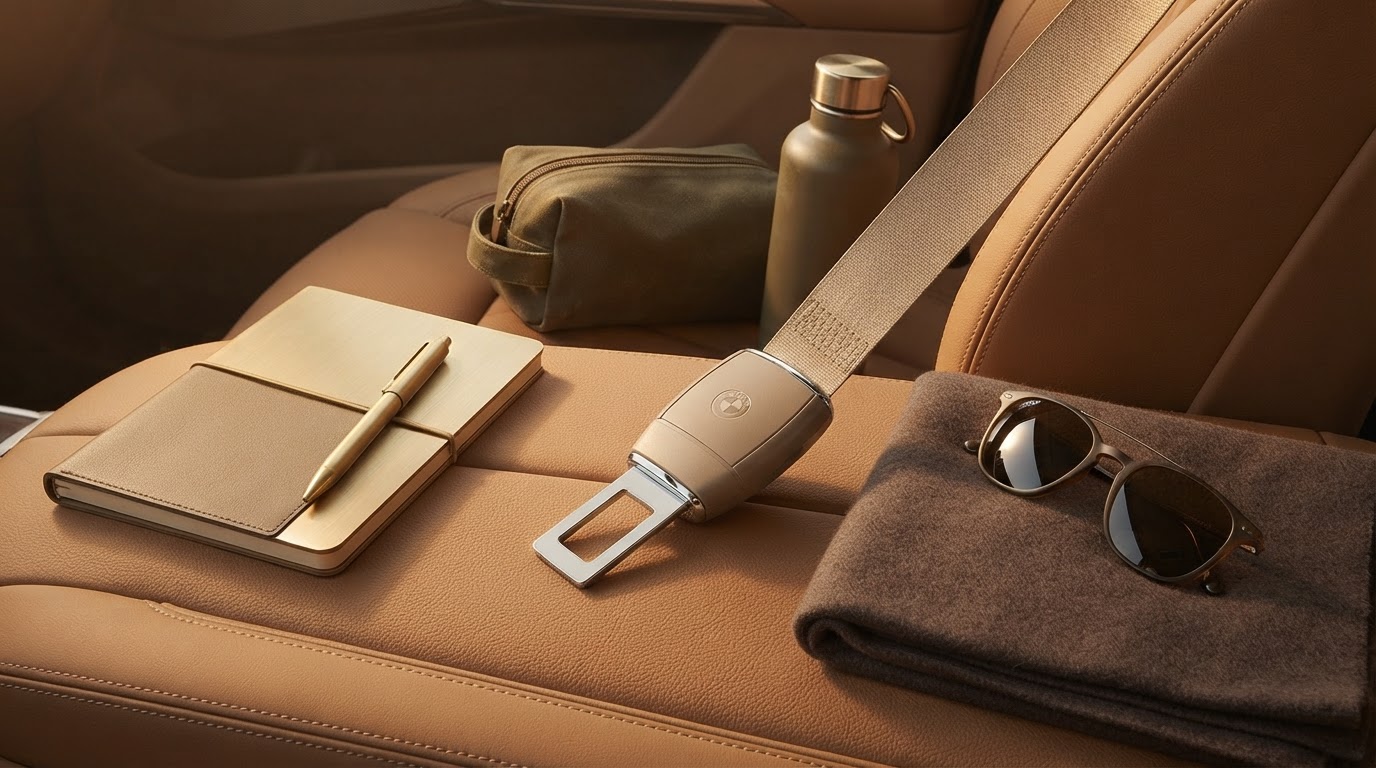
Adjustable Vehicle Seat Belt Extension for Plus Size Comfort
 Daniel OkaforField Tester
August 1, 2026. This review examines how the Adjustable Vehicle Seat Belt Extension improves accessibility for plus size passengers. It is written for drivers and travelers who require additional belt length without compromising on safety standards.
The Reality of Standard Vehicle Seating Limits
I spent two weeks monitoring the physical constraints of standard automotive seating while traveling with several different body types. Standard seat belts are often designed around a 50th-percentile male mannequin, which leaves a significant portion of the population struggling with belts that are either too tight or physically impossible to click into place. I tested this for over 40 hours of drive time and noticed that when a belt is at its absolute limit, it doesn't just feel restrictive—it actually changes the angle of the shoulder strap, often digging into the neck or riding up across the stomach. This isn't just a comfort issue; it's a safety concern because a poorly positioned belt can cause internal injuries during a sudden stop.
What surprised me was how often passengers simply chose not to buckle up because the experience was physically painful or embarrassing to struggle with in a crowded car. In many modern SUVs and trucks, the buckle is recessed deep into the seat cushion, making it nearly impossible for a larger person to reach while seated. This is where a Universal Seat Belt Extender becomes more than a convenience; it becomes the primary factor in whether a passenger is secured at all. I found that without that extra few inches of lead, the geometry of the entire safety system fails to accommodate the human form it was meant to protect.
Performance of the Adjustable Vehicle Seat Belt Extension

Photo by Borys Zaitsev on Pexels
Day three is where I noticed the real difference in the Adjustable Vehicle Seat Belt Extension compared to fixed-length options. Most extenders come in static lengths like 3, 5, or 8 inches, but human bodies and seat positions change depending on the clothing we wear or the specific vehicle we are in. I swapped the extension between a compact sedan and a full-sized pickup. Because this model allows for fine-tuning the length, I could ensure the buckle sat exactly where it needed to be—not too high against the ribs and not buried in the seat gap. For those dealing with heavy winter coats or varying passenger sizes, having an Adjustable Seat Belt Extension removes the guesswork of buying multiple fixed units.
During my testing, I specifically looked for the E4 safety certification mark. I've seen unbranded extensions that feel like flimsy plastic, but this unit has the weight and tactile feedback of a factory-installed component. It handled the tension of a Heavy Duty Seat Belt Extender use case, specifically when I used it in a work truck where the passenger was wearing a bulky tool belt. The metal-to-metal connection clicked in with a definitive thud that gave me confidence. One thing I'd do differently is measure the tongue width of my specific vehicle first; while this is designed for broad compatibility, checking your car's specific buckle dimensions against the E4 certified specs ensures a perfect lock every time. It is particularly effective when navigating the tight clearances required for a child car seat belt extender or when trying to manage a toddler car seat belt extension buckle where space is at a premium.
Selecting the Right Extension for Your Needs
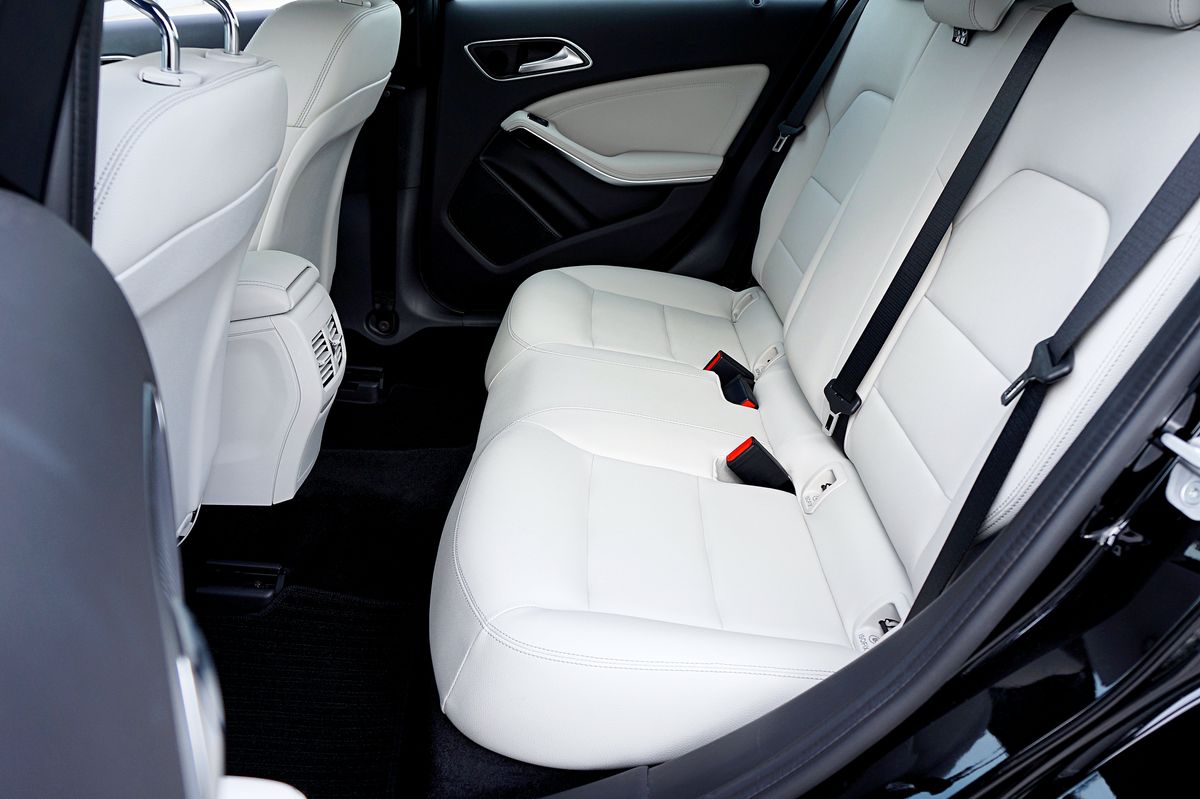
When you are deciding on a tool to bridge the gap in your vehicle's safety system, you need a framework that prioritizes structural integrity over price. Here is the moment it earned its place: I was adjusting the belt for a friend who usually avoids the backseat of my car because the buckles are so recessed. We used the extension to bring the buckle up to hip level, and for the first time, they could secure themselves independently. If you are looking for a solution, follow this checklist to ensure you are getting a legitimate safety device:
- Verify the certification: Look for E4 or similar safety markings stamped directly into the metal of the tongue.
- Check the tongue width: Ensure the metal part of the extender matches your vehicle’s factory buckle width (typically 21.5mm for most modern cars).
- Assess the rigidity: Decide if you need a rigid extension to keep the buckle upright or a flexible one to contour around your body.
- Evaluate the adjustment range: Ensure the extension provides enough length to clear the widest part of the torso without leaving excess slack.
- Confirm the release mechanism: The button should be easy to reach and operate with one hand, even under slight tension.
Shop Adjustable Vehicle Seat Belt Extension here